Mastering the Restaurant Executive Search Process: Effective Strategies for C-Suite Hiring

The restaurant industry is dynamic and highly competitive, so recruiting strong executives is vital. Mastering the restaurant executive search process means knowing the practical steps, C-suite roles, and sector-specific challenges required to attract and retain top leadership. This article summarizes those essentials and offers focused strategies for successful hiring and retention.
What Are the Key Steps in the Restaurant Executive Search Process?
The search process is a sequence of targeted actions to identify, evaluate, hire, and onboard leaders who will drive results. Core steps include role definition, candidate sourcing, assessment and vetting, offer negotiation, and onboarding.
1. Define the Role: Specify responsibilities, skills, and success metrics.
2. Sourcing Candidates: Use networks, job platforms, and executive search firms. Wray Search activates our expansive network of restaurant leaders we’ve built over 50 years in the industry.
3. Assessment and Vetting: Combine interviews, references, and assessments for fit. We evaluate candidates based on the intangibles just as much as the experience on paper.
4. Offer and Negotiation: Present a competitive package and finalize terms.
5. Onboarding: Support the leader’s transition with clear goals and resources.
Each step ensures candidates are evaluated for both capability and cultural fit.
How Does Candidate Sourcing Work for Restaurant Leadership Roles?
Sourcing blends direct outreach and broader advertising to build a qualified pipeline. Typical channels are:
● Networking: Industry contacts and events to surface passive candidates.
● Online Platforms: Job boards and professional sites for active searches.
● Executive Search Firms: We have the ability to activate the talent and sell them on the opportunity.

What Are the Best Practices for Executive Assessment and Vetting in Hospitality?
Robust assessment reduces hiring risk. Prioritize consistent, evidence-based evaluation.
● Structured Interviews: Ask competency and scenario-based questions consistently.
● Assessment Tools: Use validated tests to evaluate leadership and decision skills.
● Reference Checks: Verify performance and management style with prior employers.
● Background Checks: Confirm credentials and identify any risks.
Applying these practices helps ensure hires can perform and fit the organization.
Which C-Suite Roles Are Critical in Restaurant Leadership Hiring?
Key C-suite roles steer strategy, operations, finance, marketing, and people—each vital for growth and stability.
1. CEO: Leads vision and strategic direction.
2. COO: Oversees daily operations and execution.
3. CFO: Manages finances, forecasts, and risk.
4. CMO: Drives customer acquisition, brand, and campaigns.
5. CHRO: Directs talent, culture, and HR strategy.
Hiring for these roles requires balancing domain expertise with leadership and cultural alignment.
What Are the Responsibilities of a Restaurant CEO and COO?
The CEO sets strategy and stakeholder priorities; the COO translates strategy into reliable operations.
● CEO Responsibilities: Define vision, engage stakeholders, and make high-level decisions.
● COO Responsibilities: Manage staff, optimize processes, and ensure consistent guest experience.
How Do CFO and CMO Roles Impact Restaurant Operations?
Finance and marketing functions shape capacity to grow and attract customers.
● CFO Impact: Controls budgeting, reporting, and investment decisions to protect margins.
● CMO Impact: Crafts branding and campaigns that drive traffic and loyalty.
Aligned finance and marketing strategies support sustainable performance.
What Challenges Are Unique to Restaurant Executive Recruitment?
Recruitment faces sector-specific constraints—tight labor markets, rapid trend shifts, and the need for cultural fit.
1. Labor Shortages: Limited candidate supply for senior hospitality roles.
2. Industry Trends: Rapid change in consumer tastes and technology adoption.
3. Cultural Fit: Leaders must fit brand values and frontline realities.
Tailored sourcing and realistic role design help manage these challenges.
How Do Labor Shortages and Industry Trends Affect Hiring?
Competitive markets mean restaurants must offer attractive packages and clear career paths. Leaders should also be adept at responding to sustainability trends, health-focused menus, and digital service models.
● Labor Market Conditions: Offer competitive compensation and benefits to attract talent.
● Trends in Consumer Preferences: Seek executives who can innovate around guest expectations and technology.
What Qualities Make a Successful Restaurant Executive?
Top executives combine operational skill with strategic thinking and strong people skills.
● Leadership Skills: Inspire teams and drive results.
● Adaptability: Pivot strategies as markets change.
● Innovative Thinking: Introduce new approaches to service and growth.
● Emotional Intelligence: Manage teams and stakeholder relationships effectively.
Prioritize candidates who demonstrate measurable impact and cultural alignment.
How Can Restaurants Attract and Retain Top Executive Talent?
Attraction and retention depend on competitive packages, clear career paths, and a strong employer reputation.
1. Competitive Compensation: Pay and benefits that reflect responsibilities and market rates.
2. Employer Branding: Communicate values, culture, and leadership opportunities.
3. Career Development Opportunities: Provide ongoing growth and leadership pathways.
4. Work-Life Balance Initiatives: Promote sustainable schedules and executive well‑being.
These measures reduce turnover and strengthen leadership pipelines.
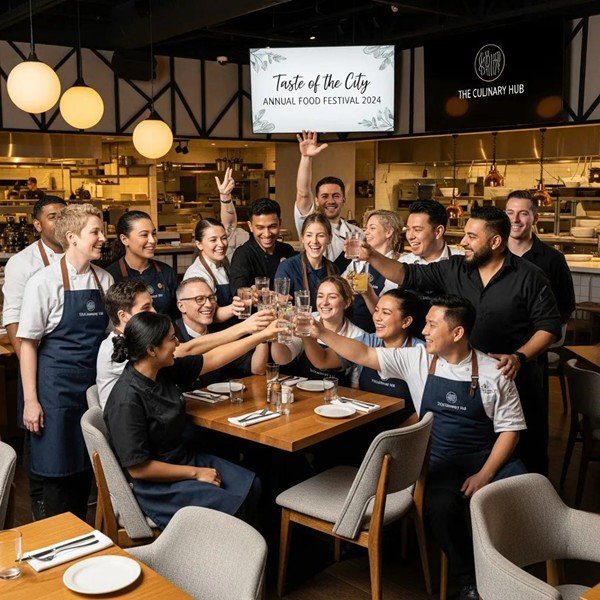
How Does Building a Strong Employer Brand Influence Leadership Hiring?
A clear employer brand helps attract leaders who share your values and long-term vision.
● Definition of Employer Branding: The reputation and image of your company as an employer.
● Importance in Recruitment: Differentiates your restaurant and attracts aligned candidates.
● Successful Branding Strategies: Use employee stories, culture showcases, and clear development pathways.
Consistent branding positions your organization as a destination for executive talent.
Mastering the restaurant executive search process is essential for attracting top-tier leadership that drives success in a competitive industry. By implementing structured strategies for role definition, candidate sourcing, and assessment, restaurants can ensure they find executives who align with their vision and culture. Emphasizing competitive compensation and a strong employer brand further enhances the ability to attract and retain exceptional talent. Get in touch with an executive search consultant at Wray Search today to find your organizations next leadership role.