
Corner Office Conversations: Jennifer Dodd, CEO of Main Squeeze Juice Co.
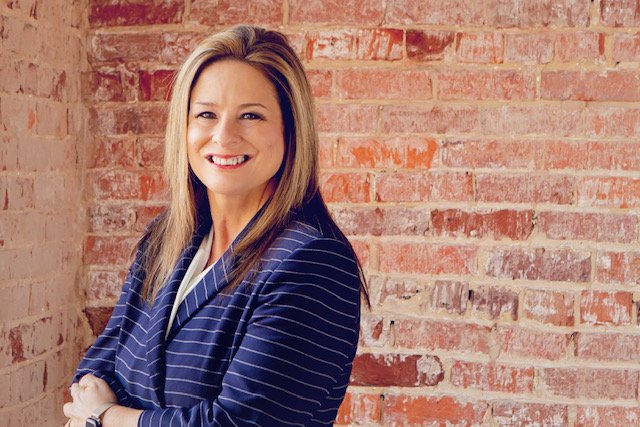
You’ve spent your entire career in the restaurant and franchising world—Wendy’s, Tim Hortons, Dunkin’, The Melting Pot, and now Main Squeeze. What initially drew you to the restaurant industry early in your career?
It’s actually a fun story—and I even have the photo to prove it. I started out as the “Wendy’s Girl.” When I was 15, I wore the little red mop wig—literally a dyed mop—with freckles and a blue and white dress. I stood outside a franchise store waving balloons to get kids’ attention.
That’s when I fell in love with the business, and what I learned from that experience still drives my leadership style today.
The first lesson was the power of disruption. Obviously, this was before technology and digital marketing, but the power of disruption was evident then. Initially, I thought the manager was crazy—why would people stop and buy a burger just because I was out there in a goofy costume with balloons? But the store had a hard pass. If you missed it, you had to do a U-turn to come back.
I lost count of how many people would honk, wave, turn around, and come back for a burger. Many didn’t even have kids. That’s when I realized people are often looking for a break from the mundane—something that surprises or delights them. That’s what hospitality is about: creating a moment that people look forward to.
The second thing I noticed was the power of hospitality. When customers got out of their cars and I opened the door for them, they smiled as big as I smiled. They walked faster. I realized we get to be the best part of someone’s day. As a CEO, I think about that in the same way towards franchisees. As a franchisor —our customers are our franchisees. How we treat them influences how they treat their teams, and ultimately how the customer is served.
The third lesson was the power of food. I grew up with a lot of hardship—sometimes homeless and often hungry. That experience made me very aware of how important food and beverage is to people.
Customers have always been very particular about what they eat. In fact, I met my husband at that Wendy’s. I can still tell you exactly what his first order was before he asked me out—43 years ago now.
But I noticed something very special in all people. When you get their order right and it meets their expectations, there’s a moment they go through what I call a metamorphosis. They take the first bite or sip, and their shoulders relax, their forehead softens, and they take a deep breath. For me, that was powerful as I realized that food feeds more than the body—it feeds the soul and I genuinely treasure that till this day.
Those three things hooked me on the hospitality industry.
At the time, I was in college studying microbiology, but I kept working in hospitality. I moved to a Hardee’s franchise organization where I grew my management career, and later I was recruited to the largest Arby’s franchise group. That’s where I really cut my teeth. I went through their Leadership Development Institute and grew from assistant manager to vice president of operations by age 28.
From there I held leadership roles with companies like Dunkin’, helped bring international brands into the U.S., and helped U.S. brands expand abroad. Those experiences helped shape me into a very multifaceted leader.
Looking across your career, what leadership experiences most prepared you for the CEO role at Main Squeeze?
One of the biggest lessons came during my time at Arby’s. The leadership team there pushed us to become multifaceted leaders by holding multiple cross-functional roles.
We went through a lot of assessments to determine our “power talent.” For me, that was operations. I’ve spent more than 20 years running operations, managing P&Ls, and driving revenue and profitability.
But they pushed us beyond that. They encouraged us to learn cross-functional leadership so we could one day become most effective CEOs.
Because of that, I intentionally took roles in supply chain, purchasing, training, and even marketing—Yes, I served as VP of marketing for a year. I’ve worked across CPG and several other disciplines.
That cross-functional experience prepared me for the CEO role I am in today.
Org charts have flattened significantly, and with effective use of AI they’re going to flatten even more. Today’s CEOs and C-suite leaders must operate with lean teams.
Right now, I’m wearing multiple C-Suite hats, leading multiple departments while serving as CEO. We’re a small company, so I want to support our team by maximizing our investment toward brand development. Therefore, I’m carrying a lot of those responsibilities for the short term to lighten the organizational load.
We are in growth mode and will be adding to our team as we onboard new partners. But having the broad experience from my career, allows me to step into these multi-faceted roles effectively.
If someone wants to lead at the C-suite level today, I think they need at least two or three core strengths to succeed. That versatility is essential.
What ultimately attracted you to the opportunity at Main Squeeze?
Back when I was at Dunkin’ in 2007, Malcom Knapp, an economist and analyst spoke to our leadership team. He shared a statistic that stuck with me.
In 1967, fewer than 30% of women with children under age five worked outside the home. He shared that by 2007, that number had climbed to around 79%. That shift fundamentally fueled the explosion of the restaurant industry.
But that trend eventually hit a tipping point. Over the last decade, we’ve seen oversaturation in some restaurant categories and a wave of closures.
So when I started thinking about where I wanted to go next, I asked myself: what’s the next big shift? For me, the answer was functional wellness.
I’ve personally experienced the power of focusing on health and longevity, and I believe this category will grow dramatically. Consumers—especially younger ones—have enormous amounts of information at their fingertips. They’re going to make purchasing decisions based on health data and wellness insights.
Restaurants will increasingly need to adapt to that.
Main Squeeze sits right at the intersection of hospitality and functional wellness. I saw an opportunity to help grow a brand that makes people healthier while still delivering a great hospitality experience. That was very exciting to me.
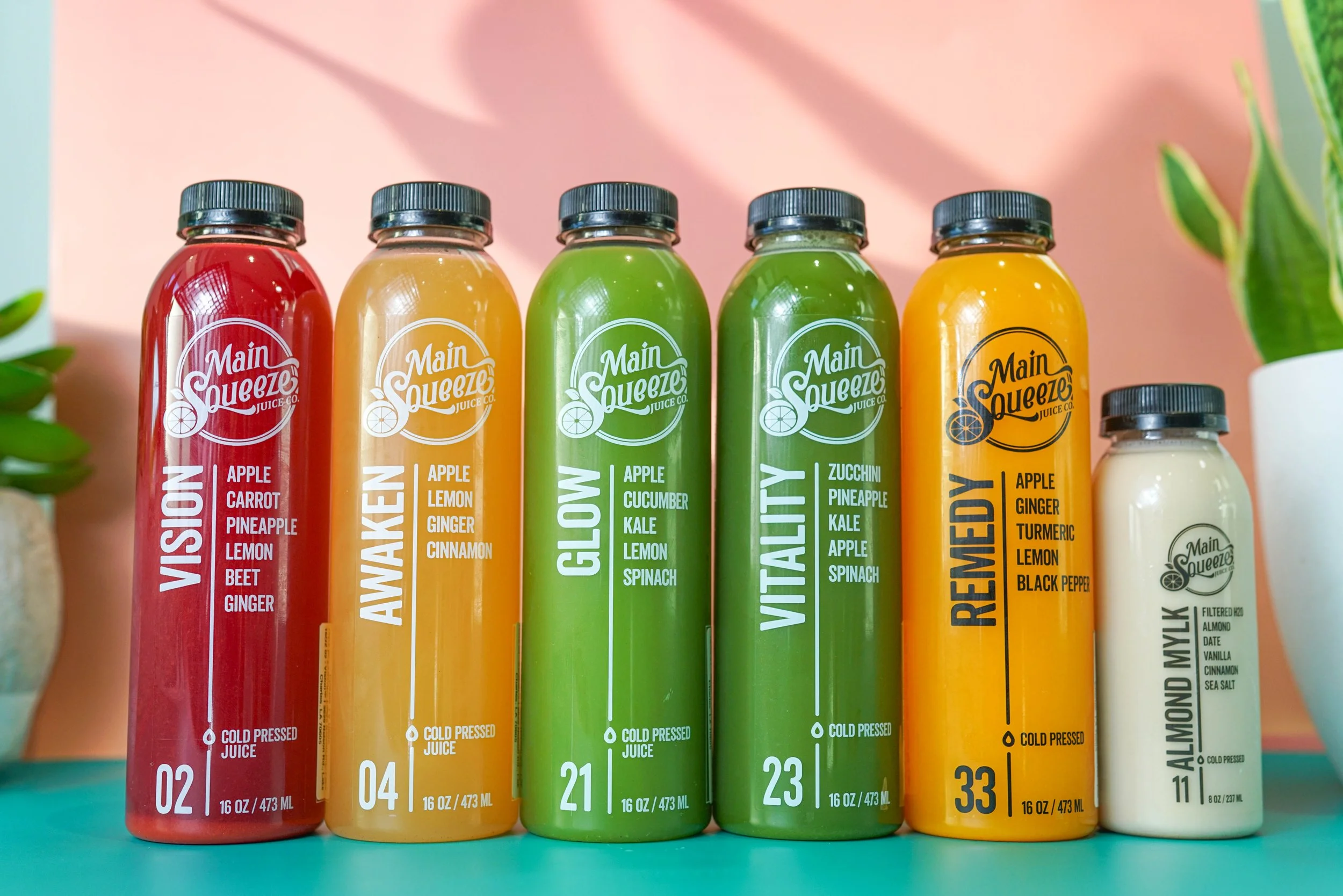
How do you define the brand’s mission in today’s restaurant landscape?
Our mission is simple: make healthy easier.
Everything we serve uses real ingredients and nothing that inflames the body. We don’t use added sugars, artificial flavors, or colors.
Originally, the brand was fully vegan. After spending about a year and a half studying the market, we expanded to a flexitarian approach. Vegan lifestyles represent only about 1-3% of the U.S. population, so we broadened the menu by adding options like whey protein and collagen. We will continue to explore the flexitarian menu for Main Squeeze Juice Co.
Customers can now choose what works for them, but the foundation remains the same: real ingredients and functional wellness.
Each bottle of juice contains two to four pounds of fruits and vegetables that we fresh-squeeze juice daily. We don’t pasteurize or process the juice in any way that strips away nutrients. This makes our juice delicious, full of nutrients, fiber and enzymes that power good gut health and support the wellness journey of our guests.
Once customers try our products, about 70% of them become very loyal. Our biggest challenge is continuing to educate consumers about the benefits of the Main Squeeze Juice Co. menu to expand our audience.
What makes the Main Squeeze concept compelling for franchise partners?
The franchisor-franchisee relationship is critical. I spent the first 15–20 years of my career working in franchise systems, so I understand that perspective deeply.
Private equity investment in franchising has grown significantly, and franchisees are paying close attention to how those relationships work. When I evaluated opportunities, I wanted to partner with an investment group that aligned with my values to include supporting franchise owners.
That trust between franchisor and franchisee is sacred. Once it’s broken, it’s very difficult to rebuild.
Communication, transparency, and shared values are essential. Franchisees make a significant investment, and that must be respected. They also bring their full selves and their own entrepreneurial spirit to the brand. When that’s embraced, you create a powerful partnership.
Operations has been one of your superpowers. What operational priorities did you focus on after becoming CEO?
Our number one priority was employee selection.
Our team members don’t just sell smoothies—they curate the customer experience. Employees often step out from behind the counter and guide customers through the juice cooler, helping them understand the functional benefits of each product.
To support that, we implemented a hiring platform that uses conversational AI to help identify candidates who align with our wellness-focused culture.
The second priority was reducing operational complexity for franchisees. We enhanced our tech stack and worked on forecasting tools to improve throughput and operational efficiency.
And third, I focused on streamlining our internal team by partnering with technology providers that offer multiple solutions instead of just one. That allows our small team to operate efficiently while reinvesting resources into our stores and brand growth.
What qualities do you look for when building leadership teams or selecting franchise partners?
The first thing I look for is what I call heart posture.
Are you genuinely willing to collaborate, communicate, and receive feedback? Are you truly present in the relationship?
That mindset is more important than intelligence in many cases. Hard work and a willingness to learn often outperform raw IQ.
Second is adaptability. The world is changing quickly, and leaders need to be flexible enough to evolve with it.
And third is trust. When we award someone a franchise, we’re handing them the keys to our brand. They must represent those values authentically.
If you get those three things right—heart posture, adaptability, and trust—you can usually figure out everything else.
You serve on the advisory board for Women in Restaurant Leadership. What drew you to that organization?
I learned a lot from my years of serving in that organization and they still do a great job.
What impressed me about Women in Restaurant Leadership was the servant leadership culture created by its founders and leaders. Danny Klein and Satyne Doner built something that empowers people to contribute and grow together.
I’m a big believer in servant leadership, based on the philosophy of Robert Greenleaf. Servant leaders don’t need to stand at the front of the room—they create an environment where everyone’s strengths can shine.
That’s what makes the organization special.
Where do you see the biggest opportunities for advancing women in restaurant leadership?
There’s still work to do.
Research has shown three key barriers. The first is mentorship. People naturally mentor those they spend time with, and historically that has created gaps.
The second used to be financial acumen, but I think that barrier is largely gone. Women absolutely have the financial skills needed for executive leadership—we just need to ensure we’re invited to the table.
And the third is communication style. Women sometimes over-explain instead of delivering concise headlines. That’s something many of us—including me—continue to work on.
Balanced leadership teams are essential for building sustainable businesses.
What advice would you give emerging leaders who aspire to executive roles?
First, figure out your superpower.
Second, develop secondary and tertiary strengths intentionally.
Third, choose companies carefully. If you’re a strong performer but the organization doesn’t have a clear growth strategy, you’ll exhaust yourself pulling a wagon with a broken wheel.
And finally, don’t chase titles. Focus on responsibility, impact, and purpose. Titles eventually follow.
What trends are you watching most closely in the restaurant industry today?
One interesting trend is the return to dining rooms. Even after COVID, people still want shared experiences and human interaction.
Another is the rapidly changing conversation around nutrition. One quarter everyone talks about protein, the next it’s fiber, then omega-3s.
At Main Squeeze Juice Co., our advantage is that our products naturally support many of those functional wellness trends. Our challenge is making sure consumers know that.
What excites you most about the future of Main Squeeze?
We were early to the market. We’ve learned a lot, and now we’re expanding into strong markets where the brand message will clearly resonate.
We believe the functional wellness category has a huge runway for incredible growth ahead. We just need to continue building awareness and scaling the brand.
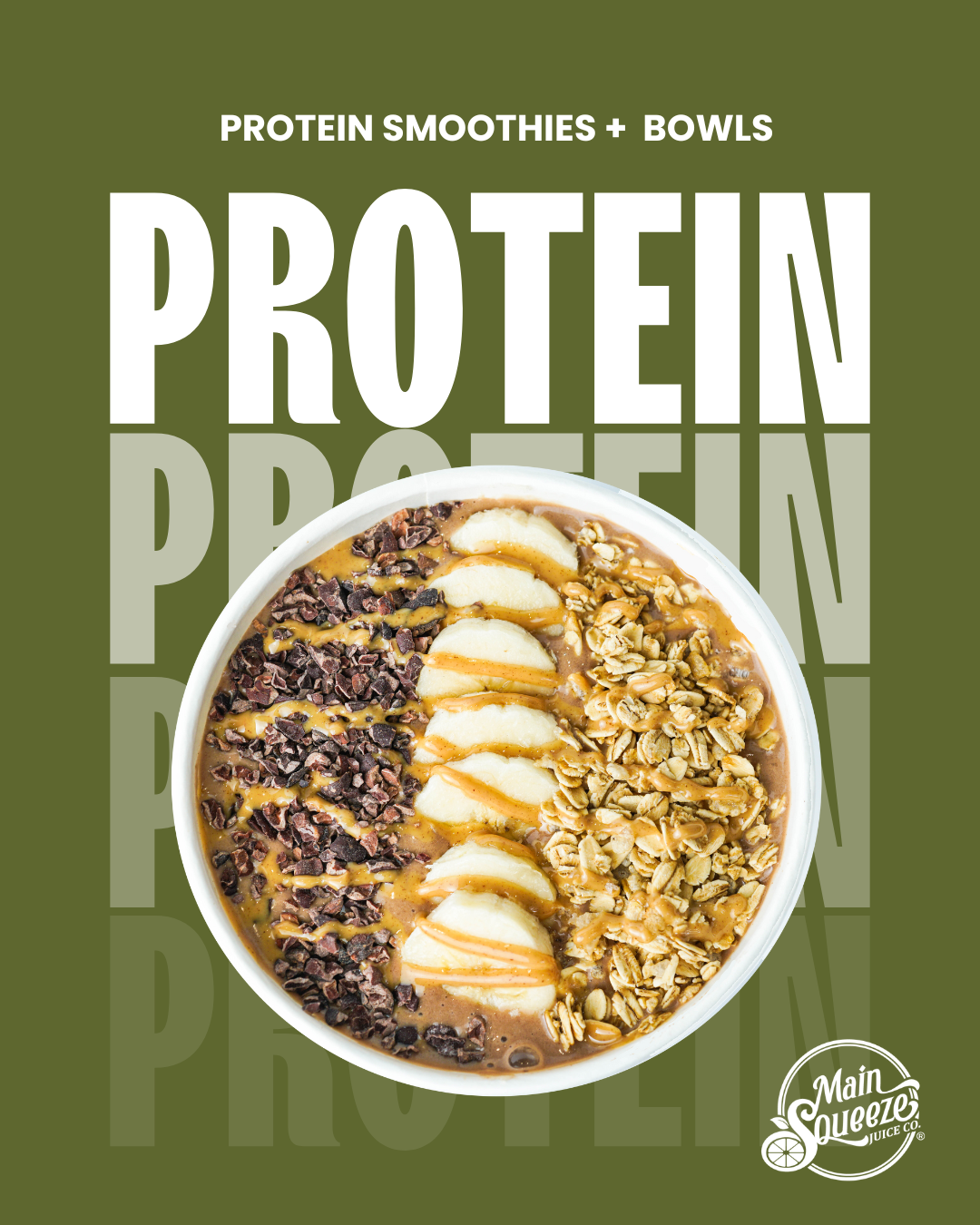
Final question—what are your favorite items on the Main Squeeze menu?
That’s a tough one!
I love our Brazilian organic açaí bowls for dinner. They’re incredibly clean—no gums, fillers, or preservatives—and you can top it up with healthy and delicious superfoods and nutritional toppings.
I also love our Performance line Protein Power smoothie. We don’t add ice or water to our smoothies, so you’re getting real fruits and vegetables. I usually add extra protein and collagen.
Those are definitely two of my favorites.
Jennifer Dodd, CEO, Main Squeeze Juice Co.
Jennifer is the CEO of Main Squeeze Juice Co., a restaurant brand that exists to Make Healthy Easier® by offering nutritionist-designed, superfood-centric menus that include raw, cold-pressed juices, handcrafted smoothies, organic açaí bowls, juice cleanses, shots, and more. With 26 locations nationwide and more on the way, Main Squeeze is committed to nourishing both body and community—one juice, one smile, and one meaningful connection at a time.
A seasoned branding and franchise executive, Jen is known for her ability to redefine brands, drive strategic growth and deliver shareholder value. Having led aggressive expansion and turnaround initiatives with a diverse range of top ranked franchise companies throughout North America, her extensive experience includes more than 30 years as an executive in top brands across the foodservice industry in traditional and non-traditional sites. Jennifer has led businesses in 13 countries, 3 continents.
Prior, Jennifer led the successful execution of the brand redesign of The Melting Pot, a polished casual fondue restaurant chain. She guided the delivery of an evolved restaurant concept for the franchise brand, added reimagined locations and led the team delivery of the award-winning food and beverage menu, to deliver profitable growth.
In previous executive roles Jennifer led innovative growth of the Tim Hortons U. S. franchise development and non-traditional development teams. Implementing proven digital and re-branding strategies, partnering with the IFA, (international Franchise Association), Veterans Franchise Initiative, growing non-traditional locations, and driving new franchise owner conversions as well as launching U.S. CPG, (consumer package goods retail) for Tim’s.
Jen also led the expansion of one of Dunkin Brands top markets, growing revenue, adding new franchise locations, on-boarding new area developers, and leading the highest number of multi-brand combo locations, (3 brands 1 roof) in the U.S. during her tenure.
Jennifer has been a trailblazer throughout her career, guiding numerous brand redesigns and successful new market entries to lead successful organizational development. Her seasoned experience includes a diverse range of multi-site / territory companies, including a $400M+ multi-brand QSR franchise group, a $200M+ privately held, global casual dining chain, a tuition based international education franchise organization, and a 1500-unit franchise-licensed chain, with businesses in more than 10 countries.
As a leader, Jennifer has cultivated talent-rich, servant leadership cultures within organizations, empowering employees to harness their potential and foster organizational team collaboration and community, while delivering exceptional results.
