Corner Office Conversations: Eric Knott, CEO of Tiki Taco
You’ve had leadership roles across brands like PDQ and Outback. What originally drew you into the restaurant industry?
I had a pretty traditional start. My grandfather ran a social club—the Knights of Columbus—and when I was nine or ten, I’d tag along on weekends. Some days I’d mop floors, take out trash, wash dishes, and other days I’d learn how to balance a ledger by hand.
That experience really stuck with me. I’ve always had an outgoing personality and loved meeting people, and the restaurant environment just clicked. I started bussing tables at Outback at 14 and never looked back.
I worked my way up through multiple roles at Outback, and then helped start PDQ in 2010 alongside one of the founders. I opened the second store and eventually moved into roles like VP of Operations and COO.
What I’ve learned over time is that I thrive in that “zero to 50 units” growth phase. I love being close to the business—spending time in restaurants, interacting with teams, and staying connected to the guest experience. That’s what really energizes me.
What were some of the most formative leadership lessons from your time at PDQ, especially as COO?
The biggest lesson is how important it is to spend time with your people. It’s easy to get caught up in meetings and busy work, but the best ideas often come from the field—from the people doing the job every day.
I also strongly believe in servant leadership. People want to work for leaders who genuinely care about them, and they want to feel proud of what their brand stands for in the community.
At PDQ—and now at Tiki Taco—we’ve leaned heavily into community involvement. It’s not just good business; it’s the right thing to do. For a small brand like ours, we donated nearly $250,000 in 2025 to local causes. That’s something I’m really proud of.
And from a technology standpoint, I believe in letting computers do the computer work and people do the people work. Technology should free up your team to focus on hospitality, not replace them.
What attracted you to the opportunity at Tiki Taco?
I was looking for a founder-led company where I could really make an impact. When I found Tiki Taco, I flew to Kansas City and immediately fell in love with the food—it’s all made from scratch and incredibly high quality.
But more importantly, I connected with the people. The founders are authentic, genuine individuals, and that mattered a lot to me.
Kansas City itself was also a surprise—in a good way. It’s a vibrant metro with a great quality of life. Everything just aligned: the food, the people, and the opportunity to build something special.
When you stepped in as CEO, what were your top priorities in the first 90 days?
Three things:
Standardize operations – We wanted consistency across every restaurant for both team members and guests.
Implement technology (without disrupting the team) – Tools like Ovation and Marquee helped us improve guest experience without adding complexity for employees.
Optimize the menu – We simplified where needed and focused on what sold best. Interestingly, we haven’t had to make many changes since then.
What was already working well at Tiki Taco that you didn’t want to disrupt?
The culture—100%.
They had built a fun, hospitality-driven environment where people genuinely cared about each other. My role wasn’t to change that, but to enhance it and help it scale.
Where did you see the biggest operational opportunities?
A lot of it came down to efficiency and thinking differently.
For example, we were buying multiple pre-processed pork products. Instead, we shifted to buying whole pork and breaking it down in-house. That improved quality, reduced cost significantly, and actually enhanced the team’s experience because they were more involved in the craft.
That’s the sweet spot—when you can improve the guest experience, strengthen culture, and benefit the P&L all at once.
How do you define the Tiki Taco brand in a crowded fast-casual Mexican space?
We’re serious about our food, but we don’t take ourselves too seriously.
We want to be the neighborhood taco joint—made-from-scratch food, great value, and a fun, vibrant atmosphere. At the same time, we offer flexibility in how guests interact with us: full service at the bar, counter service, kiosks, QR ordering, or delivery.
We also sit in a unique spot where you can get both traditional street tacos and more creative, specialty items. That versatility really resonates with our guests.
How do you protect that brand identity as you scale?
We keep our founders very close—they’re our “brand protectors.”
As we grow, it’s a partnership. They help ensure we don’t drift away from what makes Tiki special. I think more brands should do that—bring founders along in a meaningful way to help preserve identity during growth.
What does “smart growth” look like for Tiki Taco?
For us, it’s about controlled, intentional expansion.
We’re going from five to ten units this year, and moving forward, we’re targeting about five to six units annually. We’re also planning our first expansion outside Kansas City into Northwest Arkansas.
We believe in building density in a market rather than opening one-off locations. That helps with brand awareness and operational efficiency.
All corporate growth so far. At what point, if at all, do you consider franchising growth?
Eventually, yes—but not yet. Someone smart years ago told me try and keep as much as humanly possible for as long as humanly possible.
Our goal is to reach around 20 corporate units and prove the model in multiple markets before seriously exploring franchising. Too many brands jump into franchising too early, and that can create long-term challenges.
How is technology influencing your decision-making today?
It’s driving almost everything.
We’ve gone from two systems to about 18, all with specific purposes. The key is having clean data—because if your data isn’t accurate, your decisions won’t be either.
Tools like Ovation, Marquee, and Bikky have been especially impactful, helping us improve guest engagement, manage our online presence, and execute personalized marketing.
You’ve emphasized community engagement. What does that look like in practice?
We treat each general manager as the “mayor” of their community.
Their job is to build relationships—local schools, chambers of commerce, community groups—and become a known presence in their area.
We also tie compensation to performance, so GMs are truly invested in their restaurant’s success. The goal is to create an environment where they feel like they’re running their own business.
What does great hospitality look like today versus 10 years ago?
It’s more personalized now.
You can’t be robotic. Some guests want quick, quiet service; others want interaction and conversation. Great hospitality is about reading the guest and adapting to their preferences in the moment.
What trends are you most excited about in fast casual over the next few years?
I’m excited about the return to quality.
The last few years forced a lot of compromises across the industry. Now, I think brands are getting back to better ingredients and more thoughtful execution.
Consumers are more value-conscious than ever, and expectations are higher. The brands that deliver quality at a fair price are going to win.
What’s next for Tiki Taco?
Growth.
We’ve built the foundation—operations, technology, brand standards—and now it’s about scaling while staying true to who we are. At the same time, we’ll continue to empower our GMs to own their communities and drive local success.
Final question—favorite menu item?
That’s tough, but I’ll give you two:
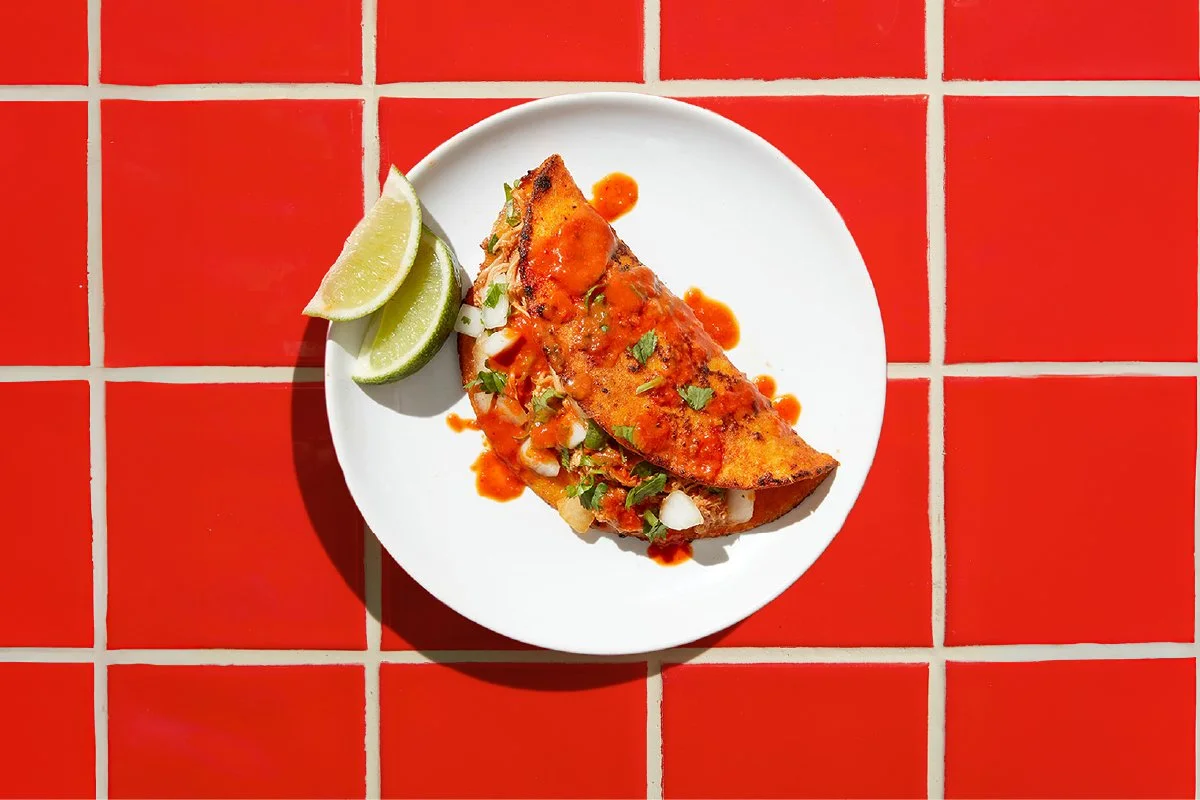
The Dripping Birria Taco—incredible flavor and execution
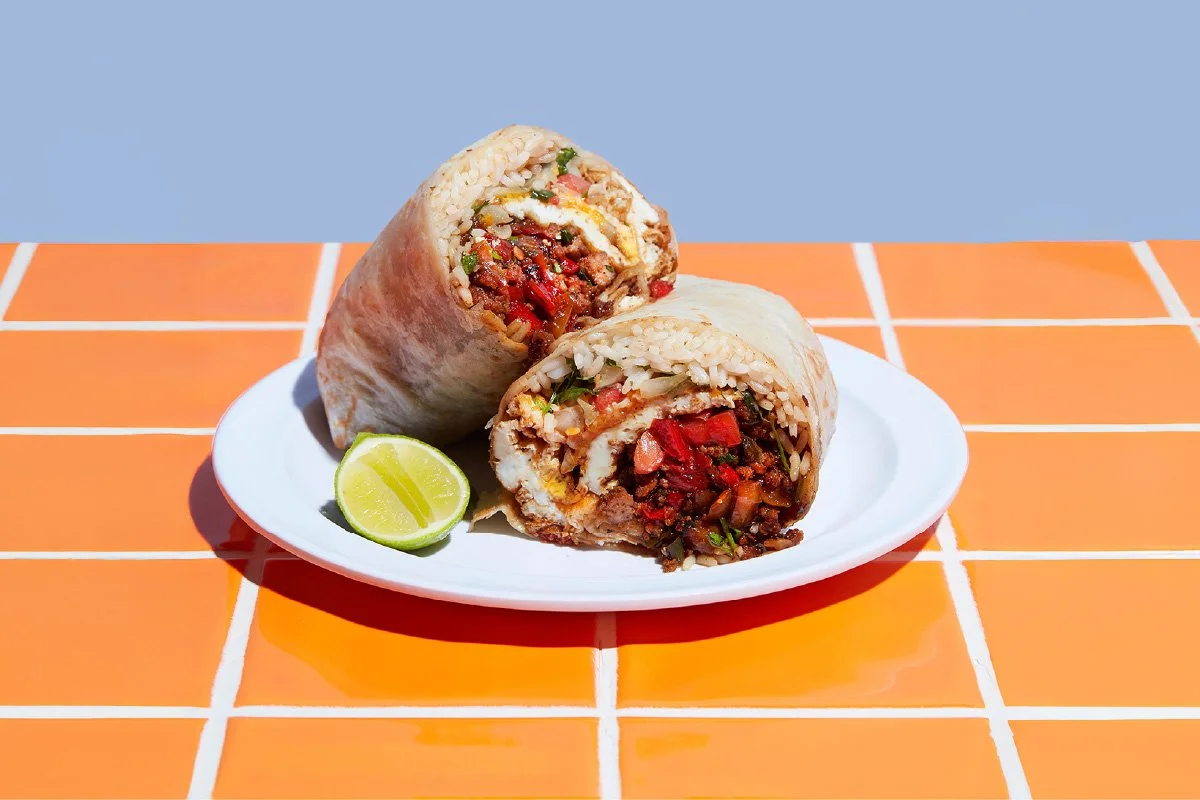
The Thai Chili Pork Burrito—a little different, but one of my personal favorites